Ingrown Nail Recovery
This case study presents a structured, health-first approach to ingrown nail recovery through the Russian pedicure technique. Instead of temporary cosmetic solutions, the priority was to restore structural balance, guide natural nail growth, and create long-term comfort.
A detailed professional evaluation identified mechanical pressure, tissue irritation, and imbalance in nail growth direction as the primary causes. The treatment focused on foundation work, pressure relief, controlled correction, and progressive stabilization, allowing the nail and surrounding tissue to recover naturally over time.
This transformation was documented across multiple visits, demonstrating how precision, consistency, and professional monitoring can prevent recurrence and support lasting results.
Session 1 – Initial Assessment and Foundation Correction
Date: 11/16/2025
Assessment
Progressive discomfort and early-stage ingrown nail development were observed due to repeated mechanical pressure and improper nail edge management. The surrounding skin showed irritation and sensitivity, making regular pedicure services difficult for several months.
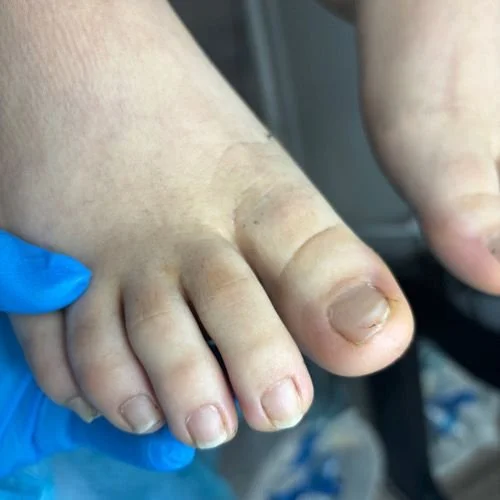
Result After Structured Service
A structured hardware pedicure was performed to carefully cleanse the nail plate and release pressure from the lateral nail folds. The surrounding tissue was gently repositioned to support balanced growth and reduce discomfort. A thin protective gel layer was applied to avoid additional pressure while maintaining stability until the next session.
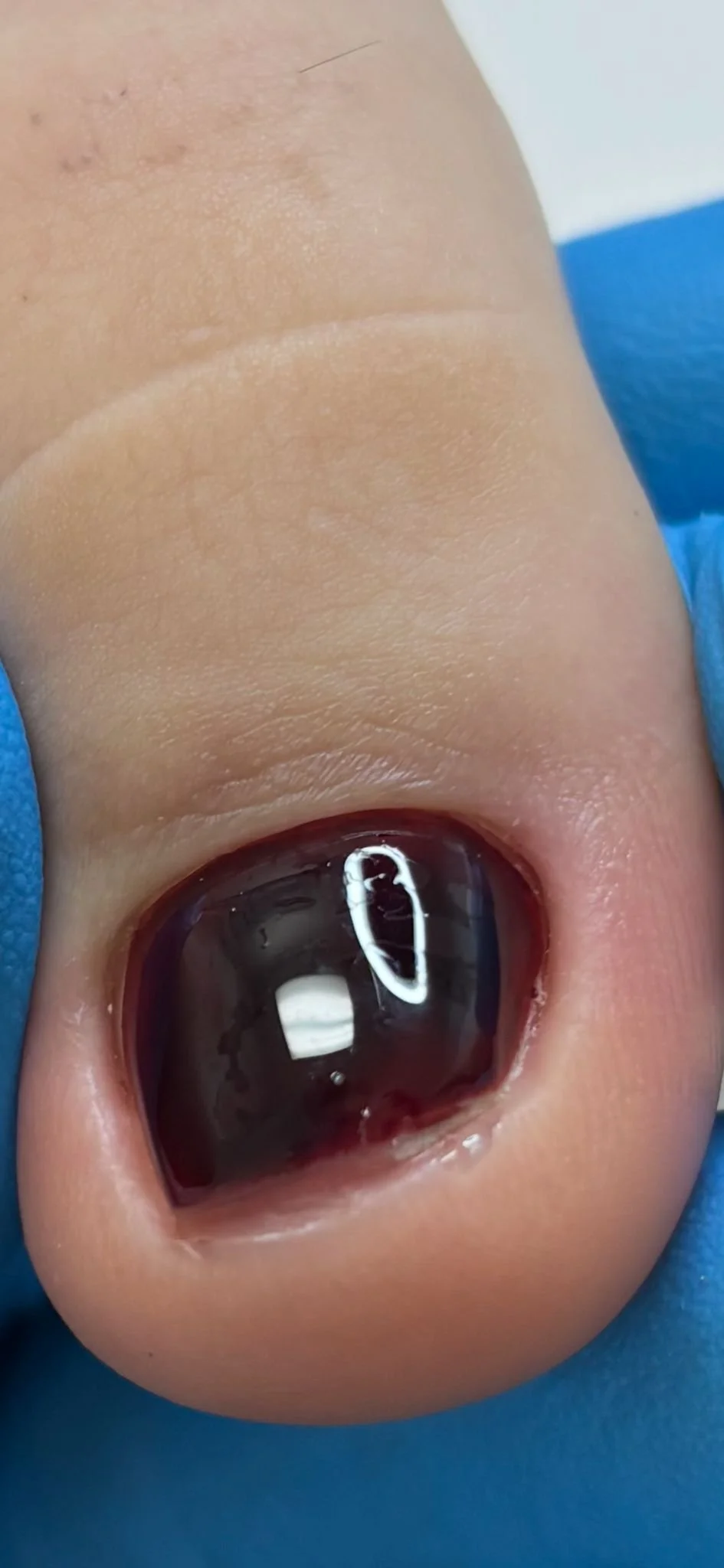
Session 1 – Visit Overview
The focus of the first session was pain relief and structural stabilization rather than immediate aesthetics. By restoring a healthier environment for natural nail growth, inflammation and discomfort were significantly reduced. Immediate comfort while walking was reported following the session.
Session 2 – Progress Stabilization and Controlled Maintenance
Date: 12/14/2025
Assessment
The nail structure remained stable following the initial corrective work. Signs of reduced inflammation and improved comfort were observed. The surrounding skin appeared calmer, and early guided growth was visible. This confirmed that the foundation created during the first session was supporting recovery and long-term balance.
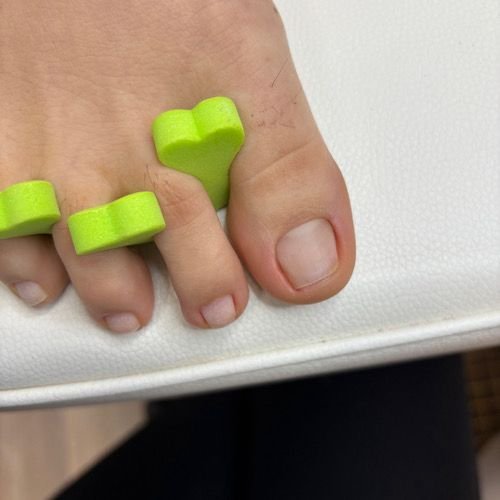
Structural Progress (Natural Nail Evaluation)
At this stage, the natural nail and surrounding tissue were evaluated without cosmetic coating. This allowed a clear and accurate observation of growth direction, curvature, and tissue adaptation. The previously compromised area demonstrated controlled regeneration, confirming that the nail plate was returning to a more balanced and stable architecture.
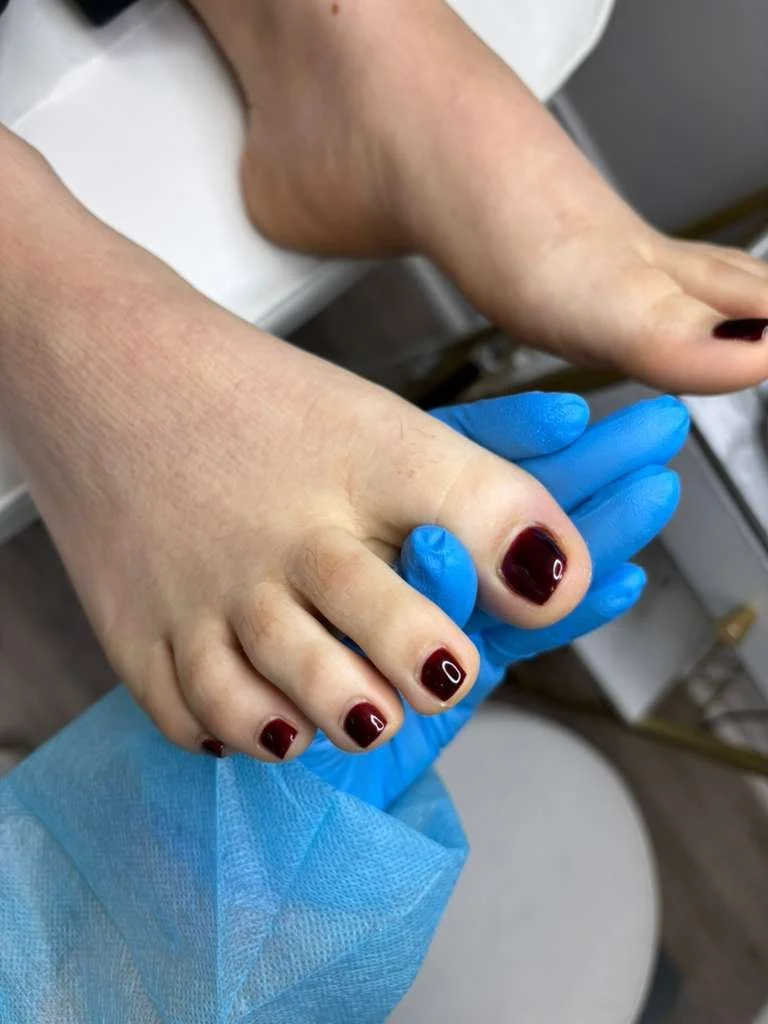
Results after Structured Service
A controlled maintenance pedicure was completed to preserve structural balance and prevent mechanical pressure during continued growth. The nail was refined while maintaining the corrected architecture, and a protective coating was applied with minimal thickness to stabilize the nail and support long-term recovery.
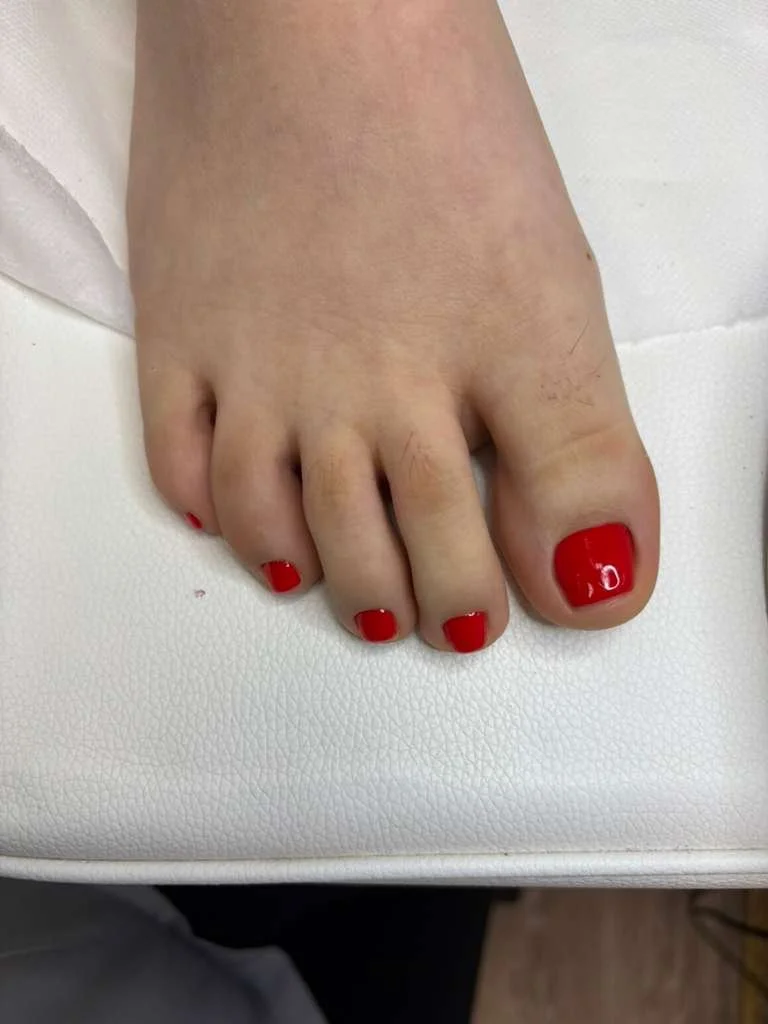
Session 2 – Visit Overview
At this stage, structural balance and surrounding skin stability showed clear improvement. The nail maintained its corrected growth direction, and mechanical pressure was significantly reduced.
The focus shifted toward controlled maintenance — preserving alignment, supporting natural regeneration, and reinforcing long-term structural integrity while allowing the nail to continue growing in a stable and guided manner.
Session 3 – Structural Recovery and Aesthetic Freedom
Date: 01/24/2026
Assestment
The nail plate demonstrated stable and guided growth following the previous corrective phases. The lateral folds appeared calm with no visible inflammation, and the surrounding skin showed clear signs of regeneration. The previously compromised areas had recovered enough to support balanced structure and proper load distribution.
The nail shape and growth direction indicated improved architectural stability, allowing progression toward controlled refinement and long-term durability.
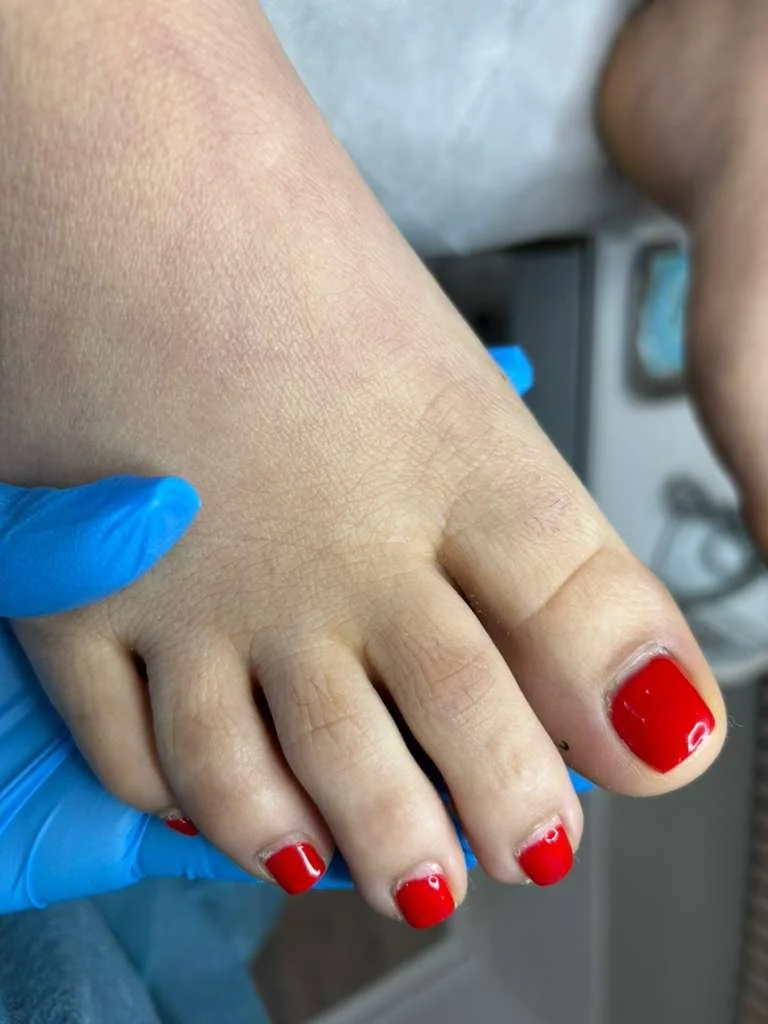
Structural Progress
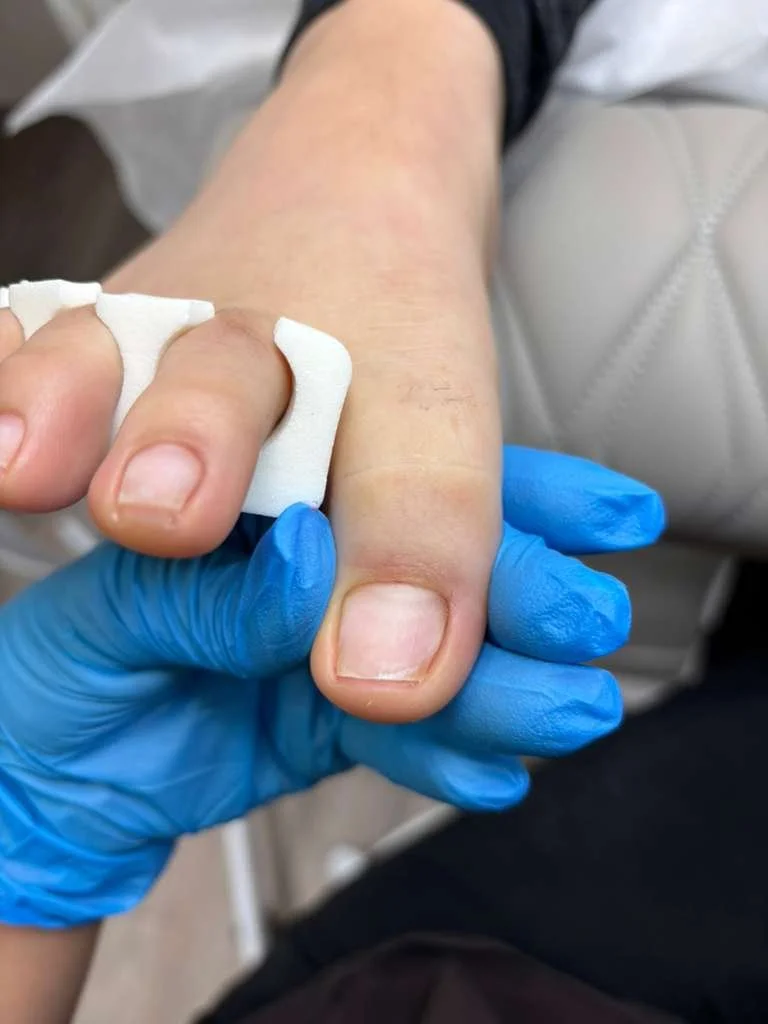
The natural nail and surrounding tissue were evaluated without cosmetic coating, allowing a clear and accurate observation of growth direction, curvature, and tissue adaptation. Balanced regeneration was observed, confirming that the foundation established during previous sessions was supporting stable and controlled development.
The nail plate showed improved strength, alignment, and structural integrity, indicating readiness for refinement and aesthetic finishing while maintaining long-term stability.
Result After Structured Service
The nail structure demonstrated stability, balance, and correct growth direction. A refined aesthetic finish was performed while preserving the integrity of the natural architecture. The final shape appeared natural, harmonious, and durable, supporting both comfort and long-term maintenance.
The surrounding tissue showed healthy adaptation, with improved resilience and reduced sensitivity. The overall outcome reflected controlled structural recovery combined with aesthetic refinement.
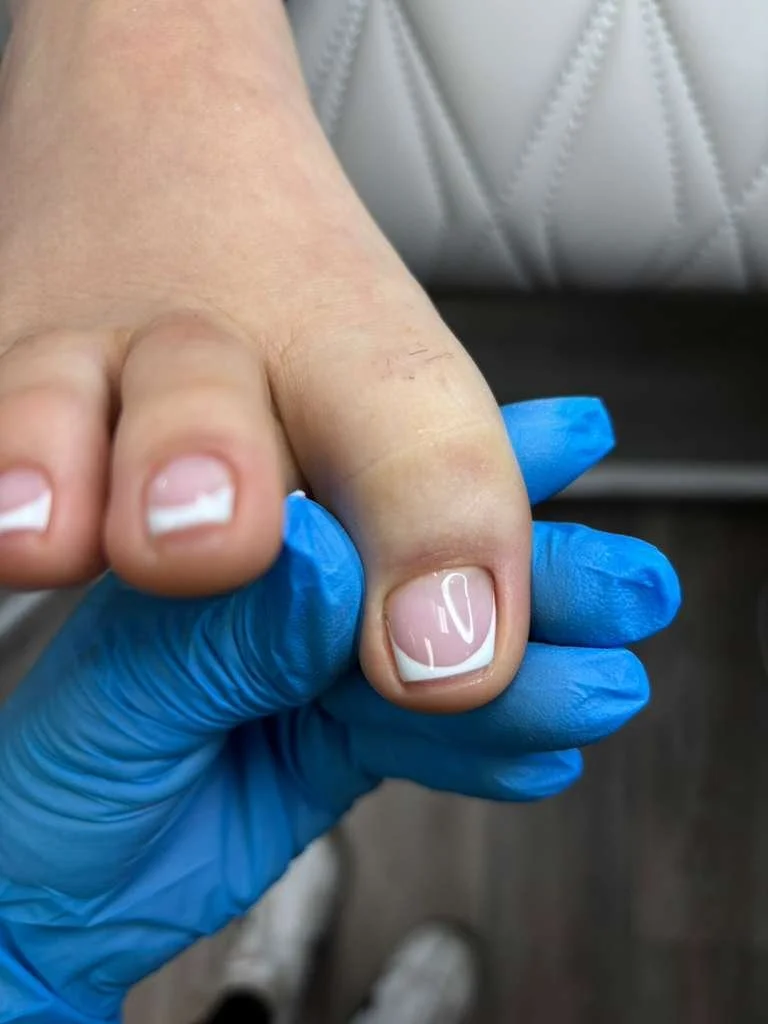
Session 3 – Visit Overview
This session marked the transition from structural recovery toward aesthetic refinement. With stability and comfort already established, the focus shifted to maintaining long-term nail health while allowing greater aesthetic flexibility.
The nail and surrounding tissue demonstrated controlled regeneration and improved resilience, confirming that the corrective foundation supported balanced growth. This stage allowed the gradual reintroduction of refined design without compromising structure, durability, or long-term comfort.
Conclusion and Long-Term Strategy
Recovery from structural nail conditions requires precision, patience, and consistency. Temporary solutions may provide short-term relief, but long-term success depends on restoring balance, guiding natural growth, and maintaining structural integrity.
Each documented case reflects progressive correction over time, supported by professional observation, controlled technique, and regular maintenance. These results are achieved through guided adaptation based on tissue response, biomechanics, and lifestyle factors.
Because every situation is unique, the healing process and timeline vary. Sustainable improvement depends on client commitment, professional monitoring, and structured follow-up care.
The goal is not only symptom relief, but long-term comfort, stability, and prevention of recurrence, allowing the natural nail to function properly and remain healthy.
When structure and health are restored first, aesthetic harmony becomes a natural result—not the objective.
Session 4 – Follow-Up Evaluation
Date: 03/02/2026
This fourth visit served as a follow-up after the recovery phase documented in the previous sessions. By this stage, the nail continued growing in a stable direction, and the square shape restored during the earlier visits was already clearly visible.
She shared that she feels much better and that there is no pain around the nail growth points anymore. With the nail structure now stabilized, maintaining the cuticle area and refining the shape has also become much easier during regular maintenance.
Assessment
At the beginning of the appointment, the nail was still wearing the product applied during the previous visit. The structure remained stable, confirming continued progress and balanced growth.
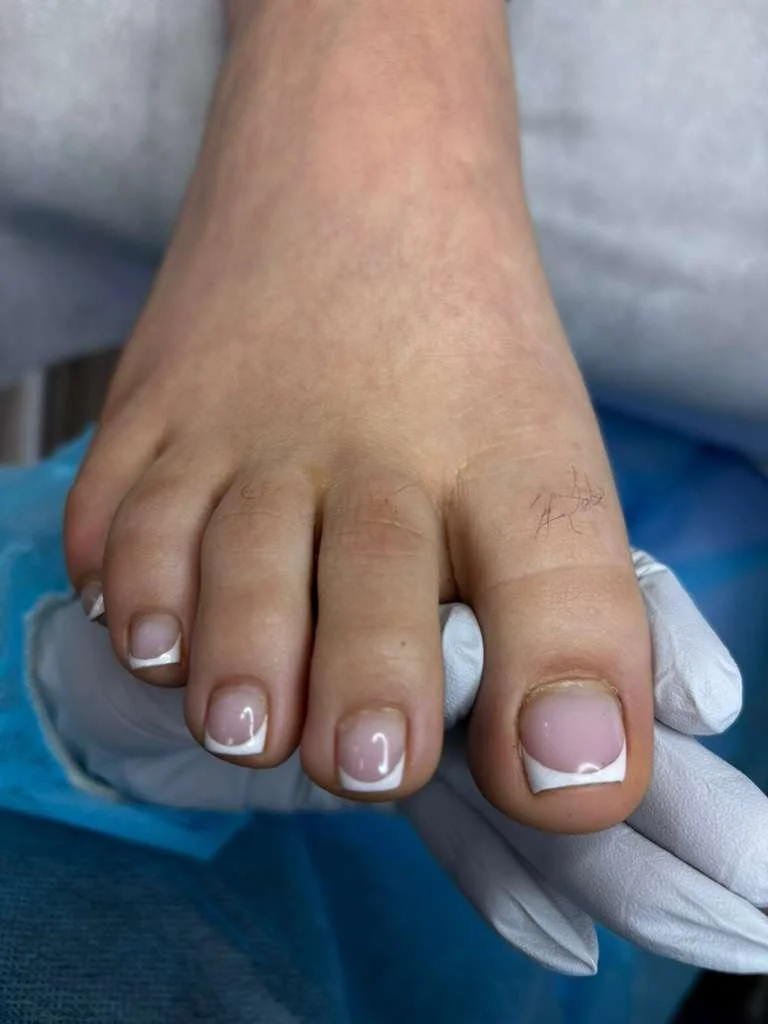
Result After Structured Service
After removing the previous product, detailed work was performed to maintain the restored structure, refine the cuticle area, and carefully preserve the square shape so the nail continues growing comfortably without pressure.
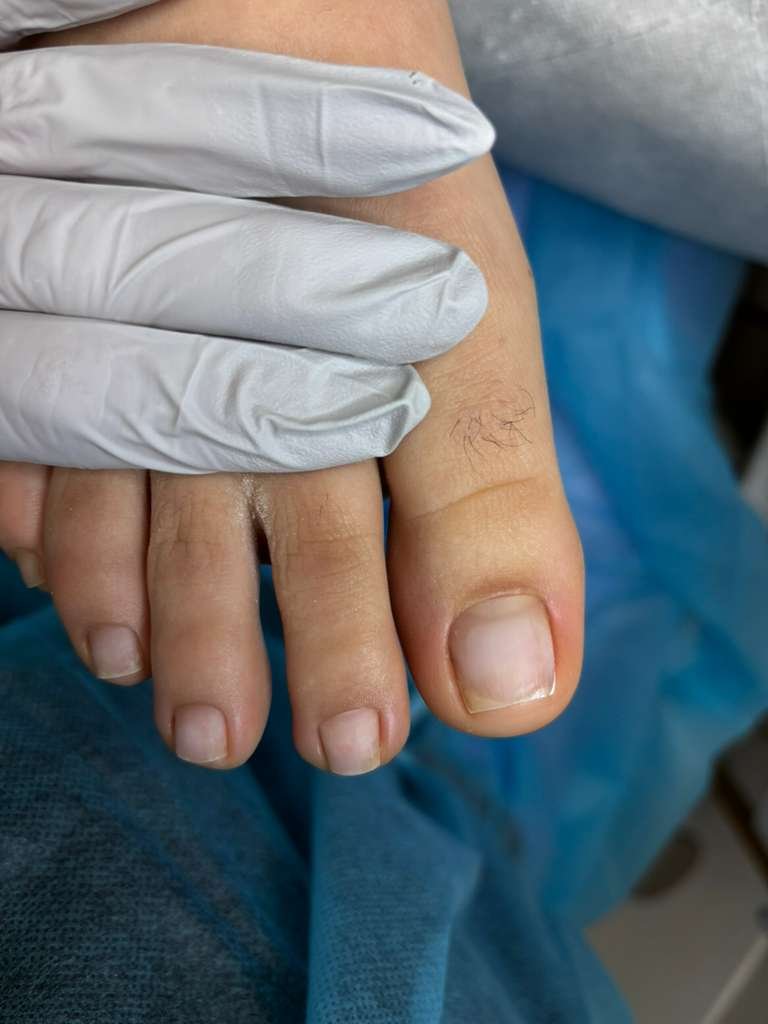
Result After Maintenance
The session finished with product application and final refinement of the restored square shape. Because the nail no longer requires close supervision and there is no pain, the next visit was recommended in approximately two months.
Until the next visit, she was advised to lightly file the nail length when needed to maintain hygiene and prevent pressure as the nails continue to grow.
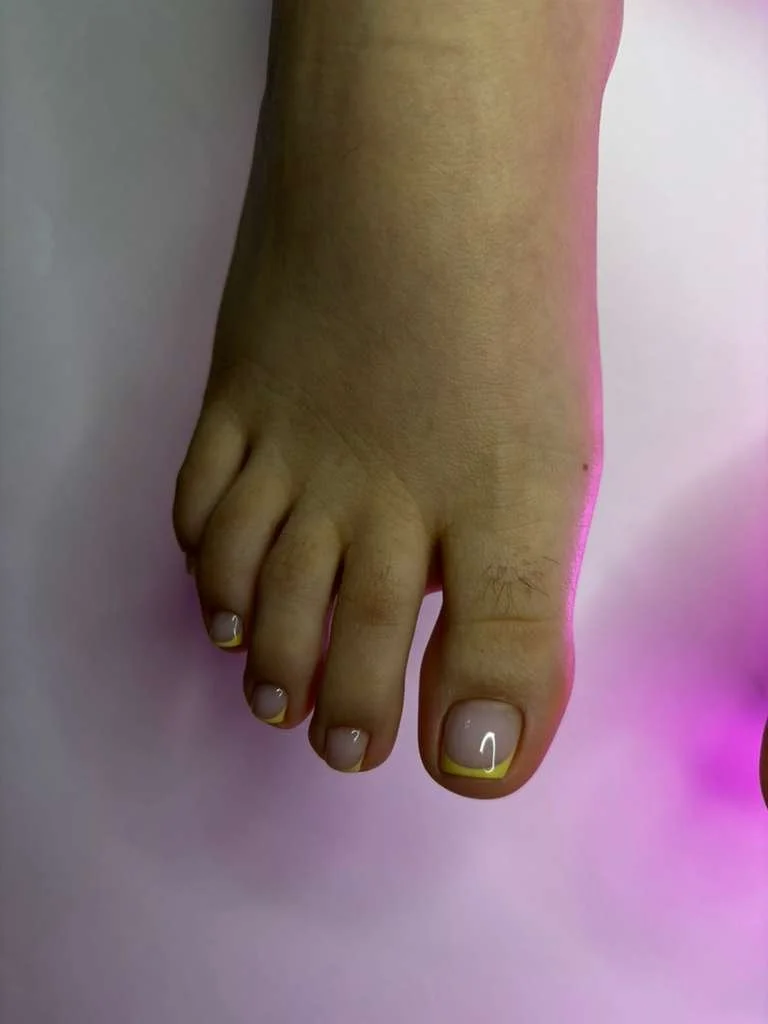
The session finished with product application and final refinement of the restored square shape. Because the nail no longer requires close supervision and there is no pain, the next visit was recommended in approximately two months.
Until the next visit, the client was advised to maintain hygiene by lightly filing the nail length as needed, so the nails do not create pressure as they grow.